Deciding to go solar is the easy part. The genuinely nerve-wracking bit comes next, when you find yourself facing a wall of quotations, technical jargon, and confident sales pitches that all seem to contradict one another. One vendor swears by a particular brand, another undercuts them by thirty percent, and a third throws in promises that sound too good to be true. For a first-time buyer in Pakistan, telling a fair deal from an expensive mistake can feel impossible.
The good news is that you don’t need an engineering degree to shop wisely. You need a framework — a set of questions and checks that cut through the noise and reveal what actually matters. This buyer’s guide is built around exactly that: how to compare quotations honestly, spot the warning signs of a bad deal, and end up with a system that performs for decades rather than one that disappoints within a year.
Start With Your Consumption, Not the Sales Pitch
The single biggest mistake buyers make is letting a vendor size the system for them before they understand their own needs. Walk into any conversation already knowing your monthly units, your seasonal peaks, and which appliances drive your load. Your electricity bills over the past year contain all of this, and reviewing them turns you from a passive customer into an informed one.
Armed with those numbers, you can immediately judge whether a proposed system size is reasonable or inflated. Oversized systems pad the seller’s margin; undersized ones leave you disappointed. When you set the requirement rather than accepting whatever is offered, every quotation that follows becomes far easier to evaluate on its merits.
Comparing Quotations Fairly
Two quotes for the same kilowatt rating can differ wildly, and the gap almost always hides in the details rather than the headline. A cheaper offer might use lower-tier panels, a budget inverter, thinner cabling, or a flimsy mounting structure that won’t survive a strong storm. Comparing only the bottom-line price is how buyers get burned.
Instead, insist that every quotation lists the exact panel make and model, the inverter brand, the mounting materials, the cable specifications, and the warranty terms in writing. Once the components are transparent, the price differences start to make sense, and you can weigh genuine value rather than chasing the lowest number. A reputable Best solar company in pakistan will happily itemise all of this, because transparency is a selling point rather than a threat.
The Warranty Fine Print That Actually Protects You
Warranties are where marketing and reality often diverge, so read them with care. Solar panels typically carry two separate guarantees: a product warranty covering manufacturing defects, and a performance warranty promising the panel will still produce a stated percentage of its rated output after twenty-five years. Both matter, and a strong performance warranty signals a manufacturer’s confidence in longevity.
Inverters carry their own, usually shorter, warranty, and it’s worth knowing whether servicing happens locally or requires shipping the unit away. Just as important is the installer’s own workmanship guarantee, which covers the quality of the fitting itself. A vendor who stands behind their labour for years is telling you something reassuring about how they expect the job to hold up.
Red Flags That Should Make You Pause
Certain patterns reliably separate trustworthy installers from the ones to avoid. Be wary of anyone who pressures you to sign immediately, refuses to name the exact equipment brands, quotes a price dramatically below every competitor, or dodges questions about after-sales support. High-pressure tactics usually exist to stop you from doing the very research this guide encourages.
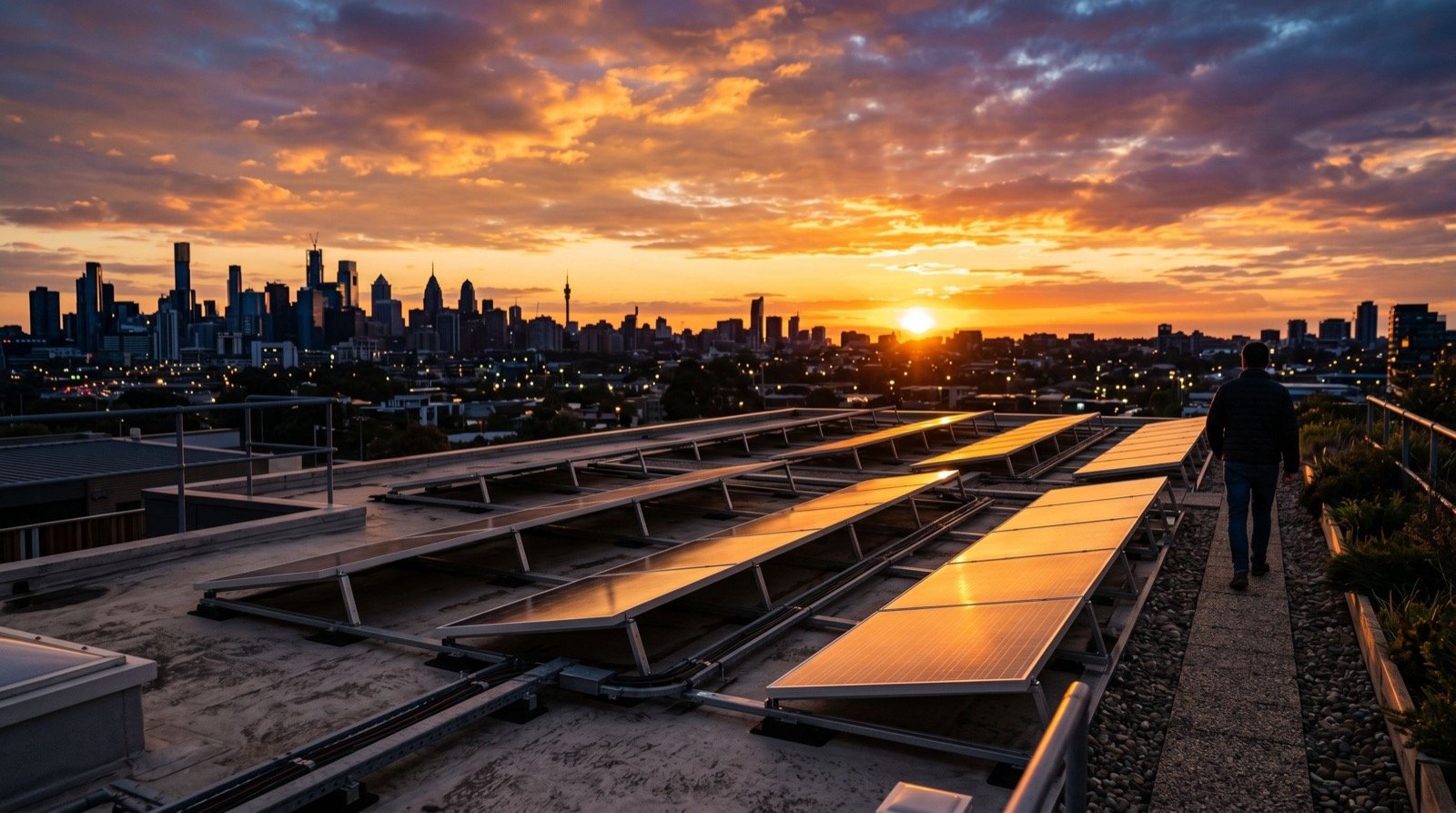
Another quiet warning sign is the absence of a proper site visit. A serious installer inspects your roof, checks its structure and orientation, notes shading, and assesses your electrical setup before finalising a design. Choosing trusted professionals who insist on doing that groundwork protects you from a system that looks fine on paper but underperforms once it’s actually on your roof.
Understanding Panel Types Without the Jargon
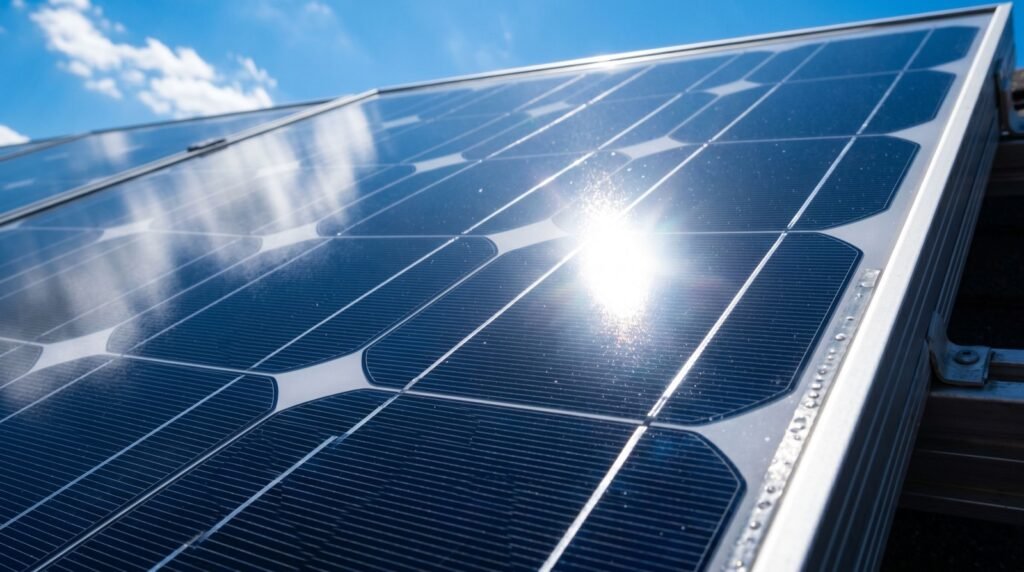
You’ll hear terms like monocrystalline, polycrystalline, and bifacial thrown around, and while you don’t need to master the physics, a little clarity helps. Monocrystalline panels are the current mainstream choice, offering higher efficiency and better performance in limited space, which suits most rooftops well. Polycrystalline panels cost a touch less but produce slightly less power per square metre.
Beyond the type, pay attention to the temperature coefficient, which describes how much output drops as panels heat up — a genuinely relevant figure in Pakistan’s climate, where roof surfaces get punishingly hot. A panel that holds its performance better in high temperatures can outproduce a nominally similar one across a long, blazing summer.
After-Sales Support Is Part of the Product
A solar system is a relationship that lasts decades, not a one-off purchase, so the quality of ongoing support deserves real weight in your decision. Ask how the company handles a faulty inverter, how quickly they respond to a drop in production, and whether they offer monitoring so problems get caught early rather than showing up as a surprise on your bill.
Established installers with a local presence and a track record are far more likely to still be around when you need them in year eight. A slightly higher price from a company that answers the phone and turns up is money well spent compared with a bargain from a vendor who vanishes the moment the invoice is paid.
Key Takeaways
- Know your own consumption before any vendor tries to size a system for you.
- Compare itemised components, not just the headline price of each quotation.
- Check both product and performance warranties, plus the installer’s workmanship guarantee.
- Treat pressure tactics, hidden brands, and skipped site visits as red flags.
- Favour monocrystalline panels and mind the temperature coefficient for hot climates.
- Weigh after-sales support and local presence as heavily as the price.
Buying Smart and Sleeping Easy
Purchasing a solar system doesn’t have to be an anxious gamble. When you arrive knowing your own numbers, demand transparent quotations, scrutinise the warranties, and stay alert to the red flags, the confusing marketplace suddenly becomes navigable. The buyers who feel most satisfied years later are invariably the ones who did this homework and chose an installer on genuine merit rather than the lowest sticker price. Take your time, ask the awkward questions, and partner with what proves itself the Best Solar Company for your situation. Do that, and the system on your roof will reward your diligence with quiet, reliable savings for the next twenty-five years.